Affordable Roof Repairs: How to Save Without Cutting Corners
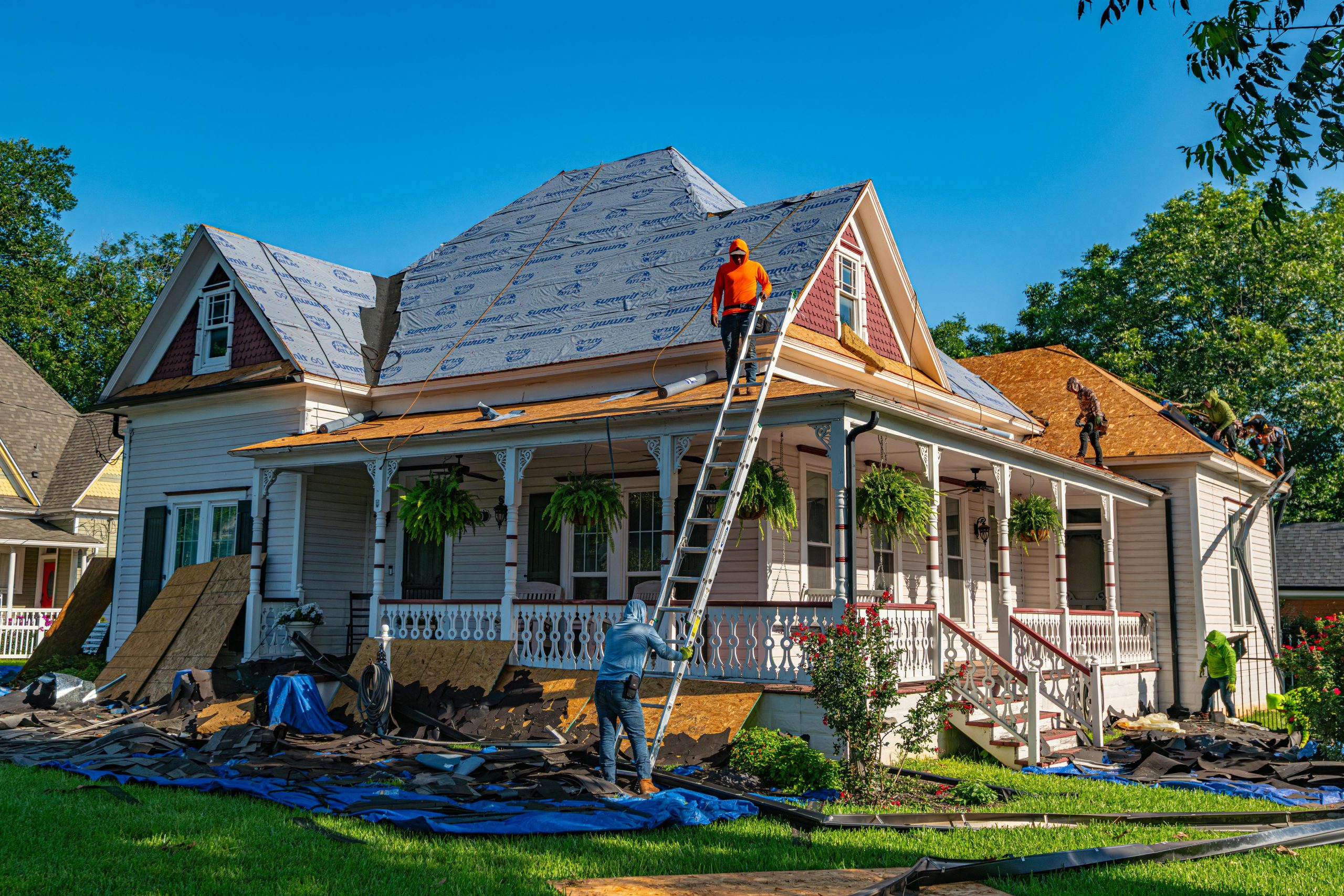
A roof problem has a way of feeling bigger than it looks. A single lifted shingle or a small stain on the ceiling can trigger visions of a five figure bill, weeks of disruption, and a contractor telling you the whole system has failed. Sometimes that fear is justified. Often, it is not.
The gap between a smart, affordable repair and an expensive mistake usually comes down to timing, diagnosis, and judgment. Homeowners spend too much when they wait too long, hire too quickly, or chase the lowest price without understanding what that price leaves out. Good Roof Repairs are not about finding the cheapest crew in town. They are about preserving the roof you have, fixing the part that actually failed, and avoiding the kind of shortcuts that turn a manageable repair into a larger structural problem.
I have seen this play out in both directions. One homeowner spent a few hundred dollars replacing flashing around a chimney right after the first signs of leakage appeared. Five years later, that roof was still doing its job. Another delayed a similar issue through two rainy seasons, patched it with roofing tar from a hardware store, and ended up paying for damaged sheathing, insulation, drywall, and mold remediation. The original weak point was not especially expensive. The delay was.
The cheapest repair is usually the earliest one
Roofing materials age in layers, not all at once. Asphalt shingles lose granules, seal strips weaken, flashing separates, fasteners back out, and sealants dry and crack. A roof rarely jumps from perfect condition to total failure overnight unless a storm tears it apart. More often, it gives warnings.
That is why the most cost effective approach is not aggressive replacement or bargain hunting. It is early intervention. A small leak caught at the flashing or vent boot stage is a repair job. A leak left to travel behind underlayment and soak wood decking starts to affect the structure under the roof, then the attic, then the ceilings below. By then, even a fair contractor has less room to save you money.
The frustrating part is that many roofing issues do not look dramatic from the ground. A missing shingle is obvious. A failed pipe boot is not. Wind damage along a ridge cap can be hard to spot. Nail pops may present as subtle raised tabs you would never notice without a trained eye. That is why periodic inspection matters, especially after heavy wind, hail, or freeze thaw cycles.
If your roof is under 15 years old and otherwise in decent shape, the odds often favor repair over replacement. If it is closer to 20 years or more, the math becomes more nuanced. Spending $1,500 on repairs for a roof with one or two years of life left may not be wise. Spending $700 to get five more years out of a structurally sound roof often is.
What makes one repair affordable and another expensive
Homeowners often compare roofing estimates as if they are pricing the same work. They usually are not. One roofer may propose replacing ten shingles and resealing flashing. Another may include underlayment patching, new step flashing, and decking repair around the leak path. One quote may include permit handling, debris disposal, and a workmanship warranty. Another may leave all of that unspoken.
Cost rises for predictable reasons. Access matters. A steep two story roof costs more to work on than a low slope section over a garage. Material type matters. Matching older architectural shingles, tile, slate, or metal can take more labor and sourcing effort than standard three tab shingles. Water damage below the surface matters even more. Once rotten decking or compromised fascia enters the picture, labor and materials both increase.
Location of the problem matters too. Valleys, skylights, chimneys, dormers, and wall transitions are more labor intensive because they involve detailed waterproofing work. Those are not places where a cheap patch tends to hold for long. The labor is not expensive because roofers want it to be. It is expensive because detail work is where skill counts.
There is also seasonality. Emergency calls during active storms or peak demand periods are rarely the best time to negotiate. If water is entering the home, you do what you need to do. But when the issue is minor and weather allows, getting ahead of busy seasons can improve both price and scheduling.
Where homeowners lose money by trying to save it
The most expensive roofing phrase in the language may be, “Let’s just patch it for now,” when the person saying it has no idea where the water is actually entering.
Roofs leak away from the visible stain as often as they leak directly above it. Water travels along framing, under underlayment, and around penetrations before it shows itself indoors. Smearing mastic on the obvious spot from the exterior can hide symptoms without correcting the pathway. I have seen temporary patches trap water where it should have drained, making the underlying wood worse by the time the proper repair happened.
Another common mistake is replacing what is visible but not what failed. A contractor swaps a handful of damaged shingles but leaves brittle flashing in place. The roof looks fixed. The leak returns in the next wind driven rain. The homeowner pays twice, and now has less trust and less leverage.
Then there is the false economy of the suspiciously low estimate. A rock bottom price can mean no insurance, no workers compensation, reused flashing, mismatched shingles, incomplete tear out in the affected area, or no plan to protect landscaping and gutters. Some crews price low because they are efficient and honest. Some price low because they are skipping something you will not notice until later.
The opposite error happens too. Fear pushes some homeowners into full replacement when a targeted repair would have done the job. A reputable roofer should be able to explain why a repair is or is not sensible based on age, brittleness, granule loss, sagging, soft decking, repeated leak history, and ventilation condition.
Signs that point to repair, and signs that point to replacement
Not every roofing issue deserves the same response. A roof can be leaking and still be a good candidate for repair. It can also be technically repairable but financially poor to keep investing in. Distinguishing those two scenarios is where experience matters.
Here are some indicators that often justify repair rather than full replacement:
- The roof is relatively young, often under 12 to 15 years for asphalt shingles, and the issue is isolated.
- Damage is limited to a small area, such as a few shingles, a vent boot, flashing, or a localized wind event.
- The decking below is still solid, with no broad soft spots or widespread rot.
- Most shingles remain flexible and well adhered, with granule loss that is normal rather than severe.
- The leak source is identifiable and tied to a specific component rather than generalized roof wear.
The reverse is just as important. If shingles are brittle across multiple slopes, granules are heavily washed out, repairs have been repeated in different areas, or the roof surface has widespread curling and exposed mat, money spent on repeated repairs can become wasteful. When underlying ventilation problems have cooked the shingles from below, replacing a few visible trouble spots may not buy much time. Affordability is not about forcing a repair onto a roof that has already given you its answer.
Diagnosis is where good savings begin
The most valuable part of a roofing visit is not the labor. It is the diagnosis. A contractor who can correctly identify the failure point, explain why it failed, and define the smallest durable fix is usually the one who saves you money.
That means you should expect more than a glance from the driveway. A meaningful inspection often includes exterior review of the slope in question, penetrations, flashing conditions, ridge and valley areas, gutter behavior, and sometimes attic inspection for moisture trails, mold, daylight, or insulation staining. Attic evidence can be particularly useful because it helps distinguish between roof leaks, condensation, and ventilation problems. Homeowners sometimes pay for roof work when the real issue is bathroom exhaust venting into the attic or poor airflow causing moisture buildup.
A solid roofer will also tell you when the visible leak is not the primary failure. For example, a stain near a chimney might be caused by step flashing failure along the sidewall, not the bricks themselves. Moisture around a bathroom vent may come from a cracked boot collar rather than failed shingles. A wet spot below a valley may reflect debris backup that forced water sideways under the roof covering. Those distinctions matter, because Roof Repairs they dictate whether the fix is a straightforward component swap or a more involved waterproofing correction.
Good diagnosis also includes restraint. If a contractor cannot know the condition of the decking until shingles are lifted, they should say so. If there is a range because hidden damage may expand the scope, that should be stated before work begins. Clear uncertainty is much better than false certainty.
The repair methods that hold up, and the ones that do not
A durable repair usually restores the water shedding sequence of the roof. That means materials overlap correctly, flashing directs water where it should go, sealants are used as support rather than as the entire system, and fasteners are placed where they belong.
On asphalt roofs, this may involve carefully removing surrounding shingles, replacing underlayment if needed, correcting flashing, inserting matching shingles, and sealing tabs according to manufacturer practice where hand sealing is necessary. Around chimneys or walls, it may mean replacing step flashing and counterflashing rather than smearing caulk along the joint and hoping for the best. Around plumbing vents, it usually means a new boot with proper integration into the shingle courses.
By contrast, the repair methods that fail fastest tend to rely on surface treatment alone. Heavy beads of generic caulk, roofing cement spread over exposed areas, and shingles face nailed in visible water paths are all signs that someone solved a short term problem in a short term way. These methods can be appropriate as emergency stabilization when rain is active and proper work must wait. They are not what you want to pay for as a finished repair.
Matching materials also matters more than many people expect. Shingle color is the obvious concern, but profile, thickness, exposure, and seal strip position affect performance. A close visual match that does not integrate properly can create wind vulnerability. If your shingles are discontinued, a competent roofer should discuss practical options, including using salvaged material from a less visible slope if suitable, or blending a close profile match.
How to compare estimates without getting lost in the details
When two roofing quotes differ sharply, the answer is rarely to pick the number in the middle and hope for the best. The right move is to compare scope, assumptions, and exclusions.
A useful estimate should identify the problem area, describe what will be removed and replaced, note whether flashing is included, address underlayment if relevant, and mention what happens if hidden decking damage is found. It should also spell out cleanup and whether there is any workmanship warranty. If the estimate simply says “repair roof leak” with a price attached, that is not enough detail for a meaningful comparison.
The key questions are straightforward:
- What is the likely source of the leak, and how confident are you?
- What materials are being replaced, and what materials are being reused?
- Is flashing included, or are you sealing around existing flashing?
- What happens if damaged decking is discovered after shingles are lifted?
- How long do you expect this repair to last under normal conditions?
Those questions do not require you to become a roofing expert. They simply force clarity. Honest contractors usually appreciate that. Vague contractors often do not.
Insurance, warranties, and the gray areas between them
Homeowners sometimes assume roof repairs should run through insurance. Sometimes they should. Sometimes filing a claim creates more trouble than benefit.
Insurance typically responds to sudden, accidental damage, such as a storm event, falling branch impact, or hail, depending on the policy and the documented condition of the roof. It generally does not exist to cover wear, poor maintenance, or long term deterioration. If your leak comes from an old vent boot cracking after years of exposure, that is usually a maintenance issue. If a windstorm lifted shingles and exposed the underlayment, that may be different.
For smaller repairs, especially those below or near your deductible, it often makes little sense to involve a claim unless there is broader storm damage. A reliable roofer should not push you into an insurance process for a routine maintenance repair just to create a larger sale. At the same time, if a recent storm caused visible damage across several areas, a proper inspection and documentation can help you avoid paying out of pocket for covered loss.
Warranties deserve the same practical view. Manufacturer warranties generally cover defects in roofing materials, not ordinary aging, installation errors by unrelated parties, or the leak path caused by a different component. Workmanship warranties vary widely. For repair work, shorter workmanship periods are common compared to full replacements, and that is not automatically a red flag. What matters is that the contractor clearly states what is covered.
Smart ways to keep repair costs down over the life of the roof
Affordable roof ownership is less about one miracle trick and more about habits. Homeowners who spend the least over time are rarely the ones chasing bargain fixes. They are the ones who protect the roof from preventable stress and address small defects before they spread.
Clean gutters help more than people realize. Overflowing gutters can send water back under edge materials, wet fascia, and saturate areas that should stay dry. Trimming limbs reduces abrasion and impact risk. Checking attic ventilation prevents heat and moisture from shortening shingle life from below. Watching for signs after major weather events gives you a chance to handle modest Roof Repairs before interior damage compounds the bill.
If your home has multiple roof sections, think strategically about priority. A low slope back addition with chronic ponding or a valley below overhanging trees may deserve attention sooner than the clean, open front slope. Not every part of a roofing system ages at the same rate. Spending money where the risk is concentrated is often wiser than scattering small repairs across areas that still have years left.
It also pays to keep records. If you know the roof age, installation type, prior repairs, and problem history, you can make better decisions and get better estimates. Contractors diagnose faster when they know whether a leak is truly new or part of a pattern. Buyers appreciate documentation too, which can matter if you sell before replacement becomes necessary.
When a maintenance plan beats emergency spending
Many homeowners think about roofs only when something drips. That is understandable, but it is rarely the lowest cost approach. A simple inspection rhythm can prevent emergency pricing and secondary damage.
For most homes, a professional roof check every couple of years is reasonable, with additional checks after major wind or hail. Older roofs, roofs under heavy tree cover, and roofs with lots of penetrations may deserve more frequent attention. The point is not to generate work that is not needed. It is to catch issues while the repair options are still inexpensive and targeted.
A good maintenance mindset also means not overreacting to every cosmetic imperfection. Minor granule loss on aging asphalt shingles is normal. Small color differences after a repair are normal. One nail pop does not mean the whole roof is failing. The goal is not cosmetic perfection. It is watertight performance, preserved service life, and repair spending that makes sense in the broader timeline of the roof.
Choosing the contractor who saves you money in the long run
The contractor who saves you the most is not necessarily the lowest bidder, and not necessarily the one who talks the most. It is usually the one who gives a measured assessment, a repair plan proportional to the problem, and a price that reflects real labor rather than sales pressure.
Look for signs of practical professionalism. Do they inspect thoroughly or just glance and guess? Can they explain the failure in plain language? Do they offer photos from the roof so you can see what they saw? Are they open about the limits of repair if the roof is near the end of its life? Do they distinguish between a temporary stabilization and a lasting fix?
Local experience matters because roof behavior is climate specific. Freeze thaw regions punish flashing and sealants differently than hot, high UV climates. Wind exposed neighborhoods generate a different pattern of failures than sheltered ones. A roofer who works your area regularly will have a better sense of which details fail first and which repairs hold best over time.
There is also real value in responsiveness. Roof leaks do not always happen at convenient times, and a contractor who communicates clearly about timing, weather delays, material matching, and probable scope changes can spare you costly misunderstandings. Cheap bids often become expensive through confusion, delay, and rework.
The real meaning of affordable
Affordable does not mean minimal. It means efficient, durable, and timed well. It means paying for the repair that solves the problem, not the patch that hides it or the replacement you did not yet need. It means understanding where skilled labor matters and where simple maintenance can keep future costs down.
Most homeowners can save a substantial amount on Roof Repairs by doing three things consistently: acting early, insisting on a clear diagnosis, and comparing scope instead of headline price. That combination avoids the two most common financial traps, paying too little for a repair that fails, and paying too much for a replacement driven by fear rather than evidence.
A roof does not need to be brand new to be worth repairing, and a repair does not need to be cheap to be affordable. The best value is the fix that keeps water out, preserves the life you still have left in the roof, and prevents you from buying the same repair twice.
Royalty Exteriors
151 NJ-10 Suite 103A
Succasunna, NJ 07876, United States
+1 973-333-7234
FAQ About Roof Repairs
Can you fix a roof leak without replacing the whole roof in Succasunna,NJ?
Often, a localized leak can be repaired without replacing the entire roof, depending on its cause and the condition of the surrounding materials. Damaged shingles, flashing, or a roof penetration may need targeted work. Royalty Exteriors offers roof repairs for leaks, storm damage, and shingle issues. An inspection is needed to determine the appropriate scope.
What is considered a minor roof leak?
A leak may be considered minor when the damage is limited to a small area and the surrounding roofing remains sound. A small ceiling stain alone does not establish the extent of the problem because water can travel before becoming visible. Have the source and any concealed damage assessed promptly.
Is it better to repair or replace a leaky roof?
The decision depends on the roof's age, overall condition, leak source, extent of damage, and history of previous repairs. A localized problem on an otherwise serviceable roof may be suitable for repair. Widespread deterioration or recurring leaks may justify considering replacement. Ask for an inspection and a written explanation of the recommended work before deciding.