Roof Replacement Succasunna, NJ: Upgrading Your Home’s Protection and Style
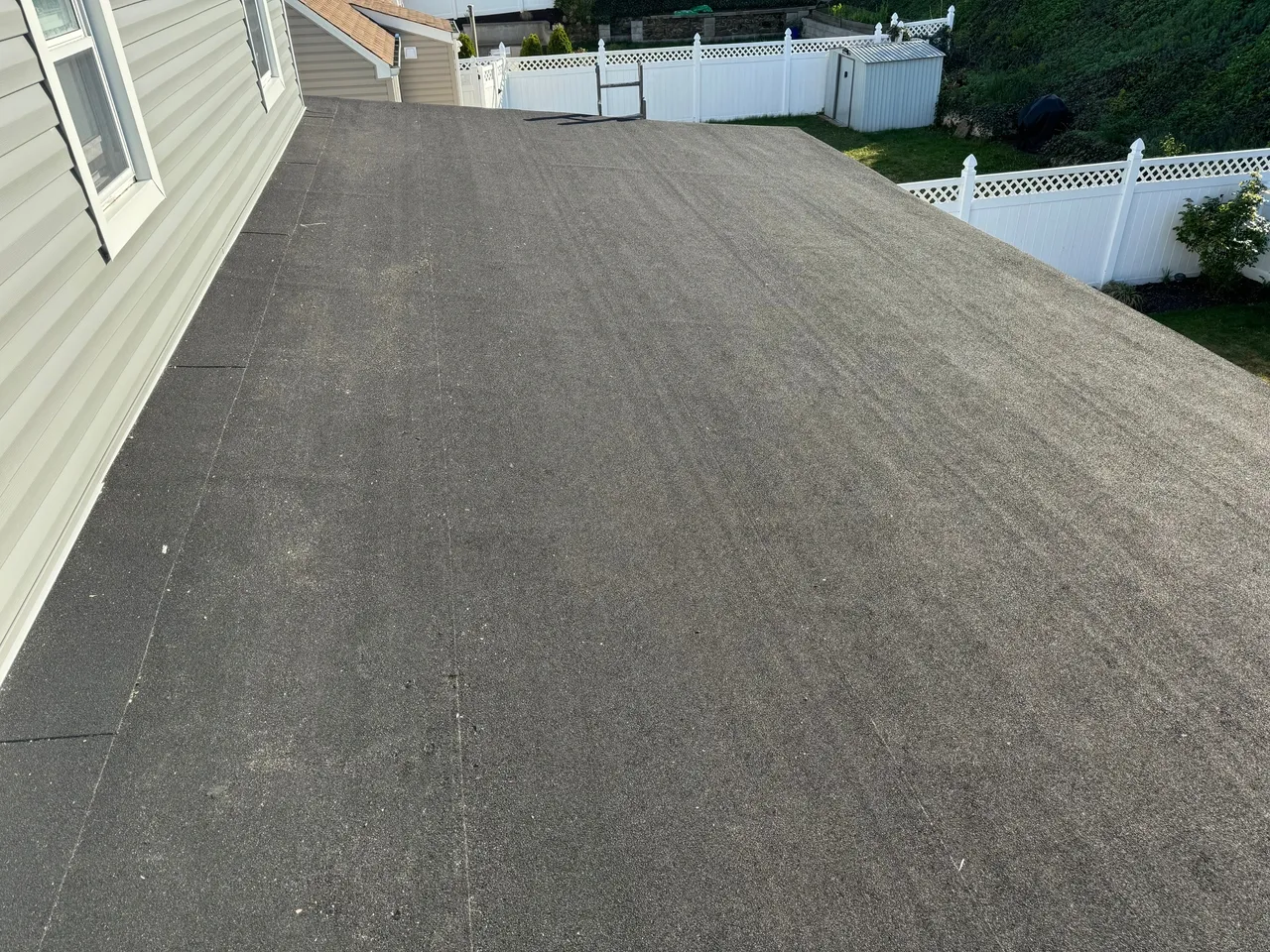
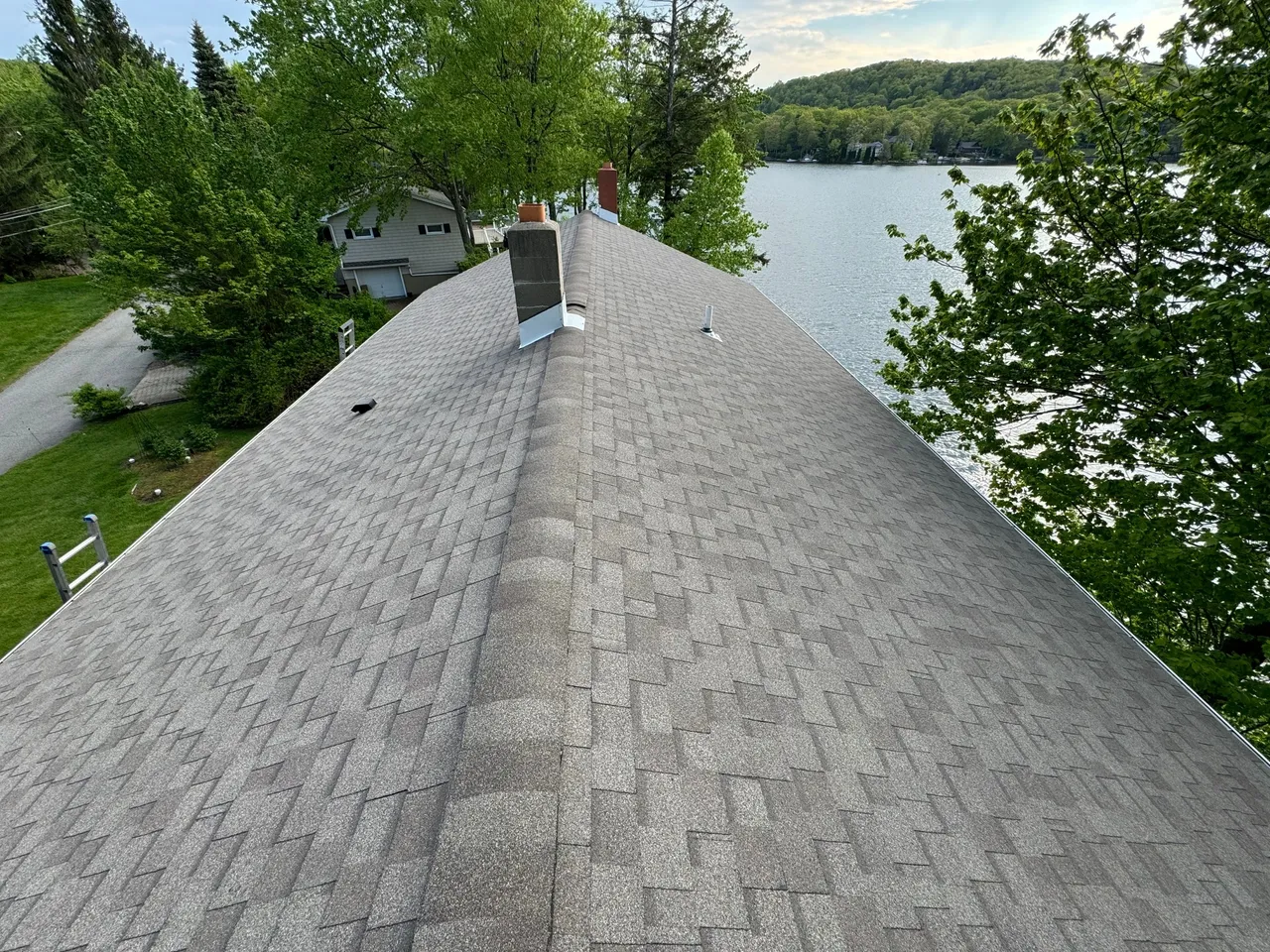
A roof does more than keep rain out. It takes the full force of summer heat, winter freeze-thaw cycles, wind-driven storms, and the slow wear that comes from years of sun exposure. In Succasunna, those conditions are not theoretical. Homeowners deal with humid summers, snow loads, ice, heavy spring rain, and the kind of temperature swings that test every flashing seam and shingle tab on the house. When a roof reaches the point where repairs stop making financial sense, replacement becomes less of a cosmetic project and more of a strategic investment in the property.
That is why Roof Replacement Succasunna, NJ is rarely just about swapping old shingles for new ones. It is about tightening up the building envelope, preventing hidden moisture damage, improving curb appeal, and choosing a system that matches both the house and the local climate. A roof that is installed well looks clean from the street, but the real value is in the layers most people never see: underlayment, flashing, ventilation, deck condition, ridge details, and the workmanship that ties those parts together.
Homeowners often wait too long because the roof does not fail all at once. It declines in stages. A few granules in the gutter. One lifted shingle after a storm. A stain that appears on a bedroom ceiling and then seems to dry up. By the time the warning signs become obvious indoors, the roof system may already be allowing water into places where it does not belong. Attics hide a lot. So do soffits, wall cavities, and roof decking.
What replacement really solves
A proper replacement addresses far more than the visible outer surface. If the old roof has reached the end of its service life, there is a good chance the accessories around it are aging too. Pipe boots harden and crack. Chimney flashing separates. Valleys wear faster than the field shingles. Ridge vents can clog or deteriorate. If new shingles are installed over weak details, the roof may look fresh but still remain vulnerable.
That is one reason experienced contractors insist on evaluating the whole system, not just the areas that leak. A roof works as an assembly. The shingles shed water, the underlayment adds backup protection, the flashing handles transitions, and the ventilation helps control heat and moisture. When any one of those components is compromised, the others have to work harder.
In older homes, replacement also creates a rare opportunity to inspect the decking underneath. Rotten or delaminated plywood is not something anyone wants to discover, but it is better found during a planned project than during an emergency leak in January. In Morris County and the surrounding area, where many homes have seen decades of seasonal expansion and contraction, hidden deck repairs are not unusual.
Signs your roof is telling you it is time
Not every issue means the roof needs full replacement. Some roofs are still good candidates for repair. The challenge is telling the difference before money gets wasted on short-lived patchwork.
Here are some signs that usually point toward replacement being the smarter path:
- shingles are curling, cracking, losing heavy amounts of granules, or showing bald spots across broad areas
- leaks keep returning, especially around valleys, chimneys, skylights, or plumbing penetrations
- the roof is nearing or past the expected life of its material, often around 20 to 30 years for many asphalt systems
- the decking feels soft in spots, or attic inspections show staining, mold, or repeated moisture intrusion
- repairs are stacking up after every season, but performance keeps getting worse
One isolated leak after a storm can sometimes be repaired effectively. Widespread aging is different. If a contractor is replacing patch after patch while the shingles around those repairs are brittle and worn, it usually means the roof has entered the expensive phase of ownership, where money goes out but the overall condition does not improve much.
Succasunna weather changes the equation
Roofing advice that sounds reasonable in a mild climate does not always hold up in North Jersey. Succasunna roofs need to handle snow accumulation, wind uplift, ice dam risks, and intense summer UV exposure. That combination matters when choosing materials and installation methods.
Ice dams are a good example. Homeowners often blame gutters alone, but ice dams usually involve a bigger chain of issues. Heat escapes into the attic, snow on the roof melts, water runs down to the colder eaves, and then freezes again. That backup can force water under shingles. Replacing the roof without improving attic insulation, air sealing, or ventilation may reduce some symptoms, but it may not solve the root problem.
High winds create a different challenge. Shingles need proper nailing, correct starter strips, and secure ridge cap installation. A roof can have premium materials and still underperform if the application is sloppy. I have seen roofs lose tabs not because the product was bad, but because nails were placed too high or driven incorrectly. Those are the kinds of details that are invisible from the driveway and painfully obvious after the first serious storm.
Material choices that fit local homes
Most homeowners in Succasunna gravitate toward asphalt shingles, and for good reason. They are cost-effective, attractive, and available in styles that work on everything from modest ranch homes to larger colonials. But there is still a meaningful range within that category, and there are cases where metal or architectural upgrades make sense.
A few common options deserve careful comparison:
- three-tab asphalt shingles, usually the most economical, though less durable and less dimensional in appearance
- architectural asphalt shingles, thicker and more durable, with a stronger profile and better wind performance in many product lines
- premium designer shingles, chosen mostly for high-end appearance and added weight, often used to elevate curb appeal
- standing seam or metal roofing in select applications, valued for longevity and snow shedding, but with a higher upfront cost
- specialty products for low-slope sections, porches, or additions where standard shingles are not the right solution
Architectural shingles are often the practical middle ground. They offer a stronger visual line and tend to hold up better over time than basic three-tab products. On many homes, they also look more proportionate, especially where roof planes are prominent from the street.
Metal roofing can be an excellent choice in the right context, but it is not automatically the best fit for every home. It costs more, requires installers who know the system, and may alter the architectural character of the property. On certain homes with steep pitches or recurring snow-management issues, it can be a smart long-term play. On others, a high-quality shingle roof may deliver the best blend of aesthetics, performance, and budget control.
The part homeowners rarely see, and should care about most
When people compare estimates, the temptation is to focus on the visible material and the final price. That is understandable, but it misses the details that separate a lasting roof from one that starts causing trouble early.
Underlayment matters. Synthetic underlayments often provide stronger tear resistance than older felt products, especially during installation and severe weather. Ice and water protection matters too, particularly at eaves, valleys, and vulnerable transitions. Flashing details matter at every wall intersection and penetration. Ventilation design matters because trapped attic heat and moisture shorten roof life from below.
Even the tear-off process tells you something about the quality of the job. A full removal allows inspection of the deck and ensures the new system starts on a solid base. Overlaying new shingles on old ones may look cheaper at first, but it can hide rot, add weight, and reduce the ability to catch underlying problems. In most cases, a full tear-off is the more responsible approach.
Cleanup is another detail that homeowners tend to appreciate only after the project is underway. Roofing generates debris, nails, and scrap. A disciplined crew protects landscaping, uses tarps and magnetic rollers, and leaves the site clean enough that you do not feel nervous letting children or pets back into the yard.
Why curb appeal improves so dramatically with a new roof
A roof occupies a huge percentage of a home’s visible exterior. When it is faded, streaked, uneven, or patched repeatedly, the whole house can look tired even if the siding and windows are in good condition. Replacing it changes the visual balance of the property almost instantly.
Color selection plays a larger role than many people expect. A charcoal or weathered wood tone often adds depth and works well with brick, stone, beige siding, or white trim. Warmer browns can soften a home with earthy tones. Deep black creates contrast and a crisp profile on certain colonial Roof Replacement Succasunna, NJ and farmhouse-style homes, though it can look too harsh on others. The best choice is not always the trendiest one. It is the one that complements fixed exterior elements you are not planning to replace, such as masonry, shutters, or driveway pavers.
Texture matters too. Dimensional architectural shingles cast shadows and make the roofline look richer and more substantial. On homes with front-facing gables or large roof expanses, that added depth can noticeably improve the appearance of the entire house.
For homeowners thinking ahead to resale, the roof also sends a strong signal to buyers. A visibly new, professionally installed roof reduces one of the biggest immediate concerns buyers have during walk-throughs. Even before inspections begin, it tells them the house has been maintained in a serious way.
Budget, value, and where money is well spent
Roof replacement is a major expense, and there is no point pretending otherwise. Costs vary based on roof size, pitch, complexity, access, material choice, local labor rates, and whether deck repairs are needed. A simple ranch with straightforward lines is a different project from a multi-level home with dormers, skylights, and steep sections that require more staging and labor.
The cheapest proposal is often cheap for a reason. Sometimes it excludes necessary accessories. Sometimes it uses lower-tier products. Sometimes it assumes there will be no deck replacement, then changes later. And sometimes it simply reflects rushed workmanship. A low number on paper can become expensive if the roof starts failing years early or leaks around details that should have been handled properly the first time.
That does not mean the highest quote is automatically the best either. Value comes from scope clarity, material quality, workmanship, warranty terms, and the contractor’s track record. A strong estimate explains what is being removed, what is being installed, how ventilation will be handled, what happens if bad decking is found, and how the property will be protected during the job.
Homeowners often ask whether upgrading from a basic shingle to a better architectural line is worth it. In many cases, yes. The incremental cost is usually easier to justify than people expect, and the improvement in appearance and resilience can be significant over the life of the roof. Upgrading certain unseen components, like underlayment and ice protection, can also be money very well spent in a climate like Succasunna’s.
What the replacement process usually looks like
Most homeowners feel more comfortable once they understand the sequence. Roofing is disruptive, but a well-run project is organized rather than chaotic. The crew arrives, protects the site, removes the old roofing, inspects the decking, makes any needed substrate repairs, and then builds the new system layer by layer. Weather always plays a role, but on a typical home, active installation can often be completed within a day or several days depending on scope and complexity.
Noise is unavoidable. Tear-off day is loud. Vibrations can travel through the house. It is smart to secure wall hangings, move vehicles away from the work zone, and make a plan for pets that are sensitive to sound. If someone works from home and needs uninterrupted quiet, roofing day is probably a good day to relocate temporarily.
One practical note Roof Replacement Succasunna, NJ that homeowners appreciate hearing upfront is that deliveries and debris removal take space. Driveways may be partially occupied. Dump trailers or containers may be present. Good contractors coordinate this clearly so there are no surprises.
Rain planning is another marker of professionalism. Roofers cannot control weather, but they should have a plan for securing the home if conditions shift unexpectedly. Temporary dry-in measures, careful sequencing, and not opening more roof area than can be protected are signs of a crew that respects the risk.
Ventilation is not a side issue
A surprising number of roofing problems start with poor attic conditions. If an attic traps excessive heat in summer or moisture in winter, the roof ages faster. Shingles can bake from above while the deck and framing deal with condensation from below. That is a bad combination.
Balanced ventilation usually means intake at the soffits and exhaust at the ridge or another appropriate high point. The goal is controlled air movement, not random openings. Too little ventilation can shorten material life. Too much exhaust without enough intake can be ineffective or even create unintended pressure imbalances.
This is one of those areas where blanket advice falls apart. Every house is a little different. Roof shape, attic layout, insulation levels, and existing vent placement all affect what makes sense. A contractor who spends time evaluating these factors is usually looking beyond surface-level replacement and thinking about how the roof system will perform for years.
Common mistakes homeowners regret
Most regrets do not come from choosing a slightly different shingle color. They come from rushed decisions made under pressure. Leak panic is real, especially when water shows up indoors, but speed should not eliminate due diligence.
One common mistake is assuming all roofing bids cover the same scope. They rarely do. Another is focusing only on material brand while ignoring installer quality. A top-tier shingle installed poorly will not save the day. Homeowners also sometimes skip ventilation or flashing upgrades because those items are less visible than the finished roof. That can be shortsighted, especially in older homes.
There is also the issue of partial replacements. Replacing one slope while the rest of the roof is at the end of its life may seem economical, but it can create aesthetic mismatches and leave old failure points in place. Sometimes a partial approach is justified. More often, it delays the inevitable and increases total cost over time.
Choosing the right contractor in Succasunna
The best roofing experiences usually share one trait: clear communication from the first visit onward. A good contractor inspects thoroughly, explains findings plainly, and distinguishes between what is required, what is recommended, and what is optional. That level of clarity matters because roofing decisions involve both structure and money.
Look for specifics in how the project is described. Ask what underlayment will be used. Ask how valleys will be handled. Ask whether step flashing at sidewalls will be replaced or reused. Ask what happens if damaged decking is uncovered. These are not fussy questions. They are practical ones, and serious contractors answer them without dodging.
Local familiarity helps too. Roof Replacement Succasunna, NJ is not identical to roofing in a coastal area, a dry inland market, or a region without snow. A contractor who works regularly in the area understands common house types, seasonal timing, permit expectations where applicable, and the weather patterns that shape material choices and installation details.
References and past project photos can also reveal a lot, especially when they show homes similar to yours. A contractor who has handled everything from straightforward ranches to more complex roof geometries is usually better prepared when the hidden surprises appear, and roofs have a way of producing surprises.
Timing the project wisely
Spring through fall is the busiest period for roofing in New Jersey, but the best time to replace a roof is often earlier than homeowners think. If shingles are already brittle, curling, or actively leaking, waiting for the perfect calendar slot can backfire. Emergency work in the middle of storm season is rarely ideal.
That said, roofing in extreme heat or late-season cold presents challenges too. Experienced crews know how to manage those conditions, but planning ahead creates more flexibility. If your roof is approaching the end of its life, having it inspected before there is an active problem gives you room to compare options, schedule strategically, and avoid making a rushed decision from inside a house with buckets on the floor.
A homeowner in Succasunna might not think much about the roof when everything looks quiet from the yard. That is normal. Roofs do their best work when no one notices them. But when age catches up, replacement can be one of the most important upgrades a home receives. Done well, it restores weather protection, improves energy performance, sharpens curb appeal, and removes a major source of uncertainty from homeownership. That is what makes a quality roof replacement more than a maintenance expense. It becomes a long-term improvement to how the home looks, feels, and holds up year after year.
Royalty Exteriors
151 NJ-10 Suite 103A, Succasunna, NJ 07876, United States
+1 973-333-7234
FAQ About Roof Replacement Succasunna, NJ
What are signs a roof needs replacing?
Widespread shingle deterioration, repeated leaks, or damaged decking can point to a larger problem. A roofer can inspect the roof covering, flashing, and deck to determine whether the damage is localized or whether replacement makes more sense.
How long does it take to reroof a 2000 square foot house?
Royalty Exteriors estimates one to three days for many single-family roof replacements. A house’s floor area does not tell you the actual roof area. Pitch, roof features, weather, and any decking repairs can change the schedule.
How long should a roof last in NJ?
There is no single lifespan for every roof. Material, installation quality, attic ventilation, maintenance, and exposure to storms all affect how long a roof remains serviceable. An inspection can help you assess its condition and plan for replacement.